Our Catalog
Watch all episodes on YouTube ↗ · New episodes posted throughout the school year.

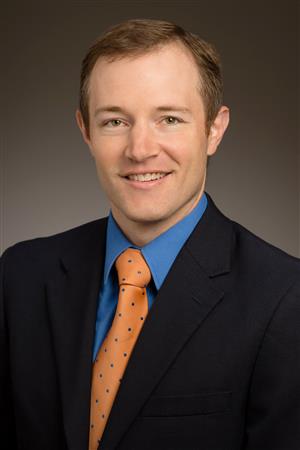
Professor Rovey directs UIUC's Electric Propulsion Laboratory, where his research focuses on plasma physics and propulsion systems for small spacecraft. We talk about how electrically charged gases can be used to generate thrust, how electric thrusters differ from traditional chemical rockets, what it takes to test propulsion systems in the lab, and his advice for students interested in propulsion and space research.

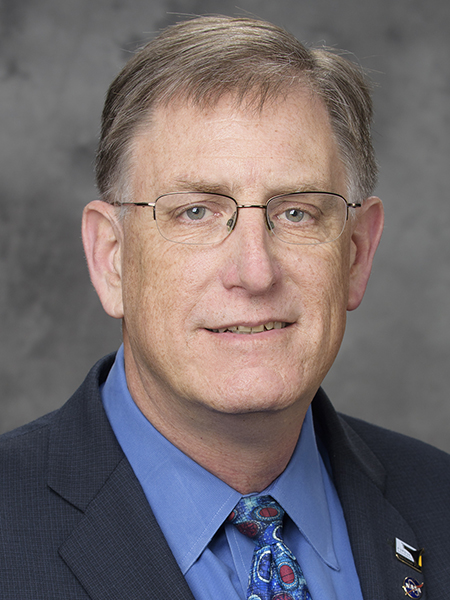
Dumbacher spent 33 years at NASA, working his way from testing Space Shuttle main engines to leading development of the Space Launch System and Orion, the rocket and capsule now flying under the Artemis program. He later served as CEO of AIAA, the world's largest aerospace professional society, before returning to Purdue to teach systems engineering and space policy.

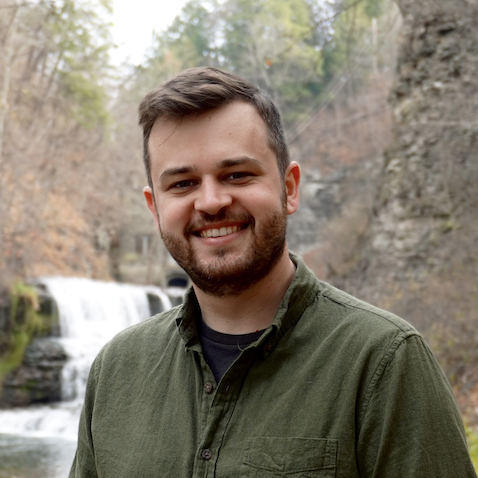
Dr. Welde leads Cornell's GeoDesiC Lab, combining robotics, control theory, and differential geometry to build aerial robots that do more than just fly, using the mathematical structure hidden in a robot's motion to make them agile enough to physically interact with the world. He walks through his path from Legos and Science Olympiad to a decade at Penn's GRASP Lab, and what it actually takes to build a drone that can grab or carry something.
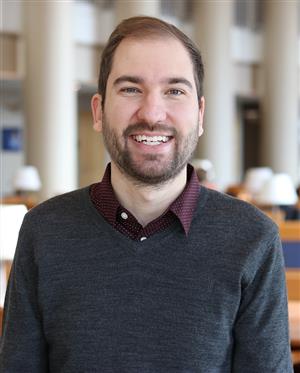
Dr. Ornik leads UIUC's LEADCAT research group, studying how autonomous systems from spacecraft to robots can stay safe and complete their missions even with limited knowledge of themselves or their environment. He walks through what happens when a system breaks mid-mission, how robots can learn to operate on terrain they've never seen before, and his path from an International Math Olympiad medal to aerospace engineering.

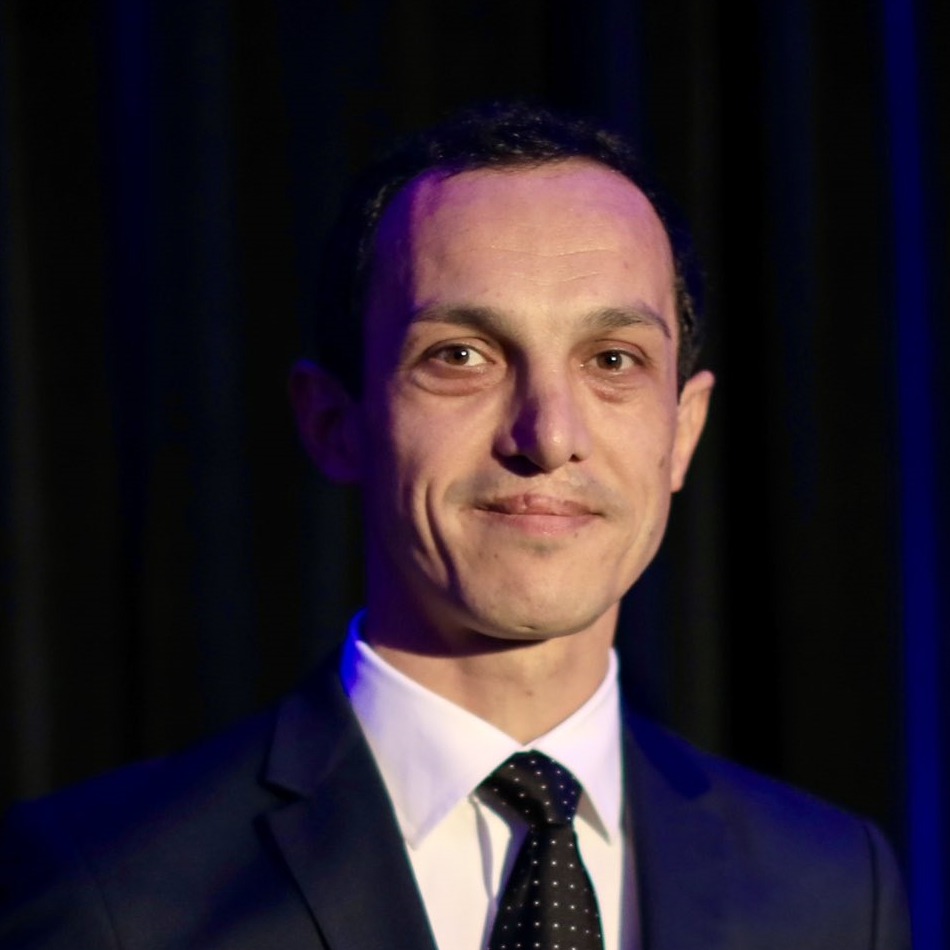
An astrophysicist and optical engineer at NASA Goddard, Dr. Cataldo develops advanced infrared instrumentation and cryogenic optics for the next generation of space telescopes. He walks through the engineering challenges of building instruments precise enough to observe the earliest galaxies, and how scientific questions become flight-ready hardware.

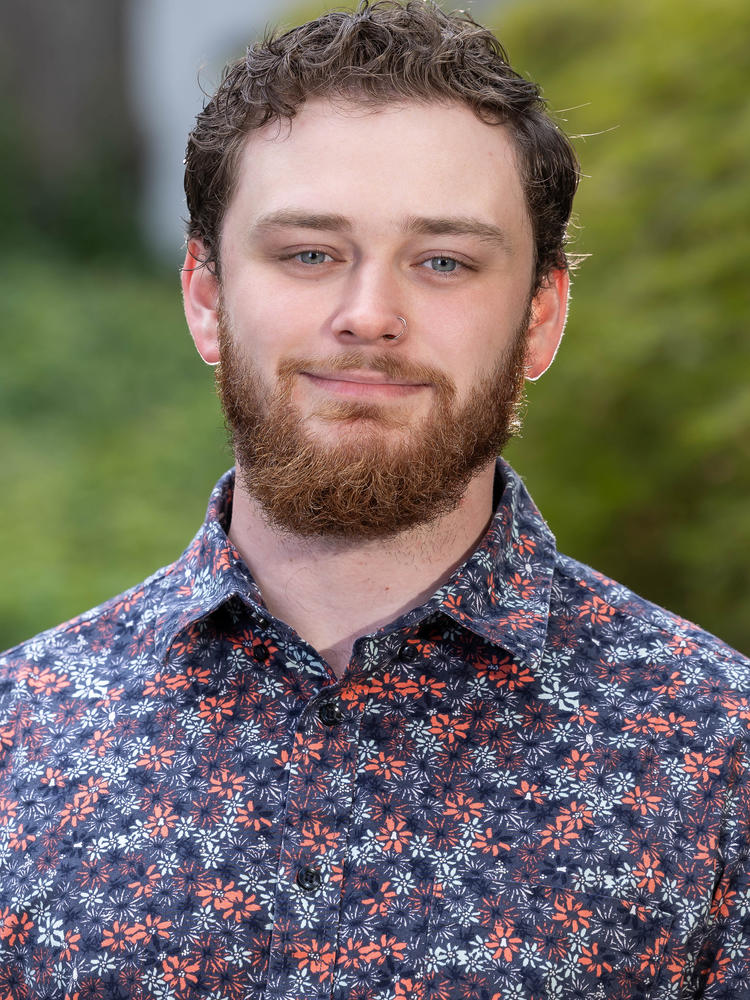
Harry's path runs from community college in Washington State through internships at SpaceX and Aerojet Rocketdyne working on Hall thrusters, and now to a PhD in Princeton's Electric Propulsion and Plasma Dynamics Laboratory (Alfvén Lab). He breaks down what electric propulsion actually is, why satellites use thrusters that push so gently, and what it's like measuring invisible, fast-moving plasma with lasers.

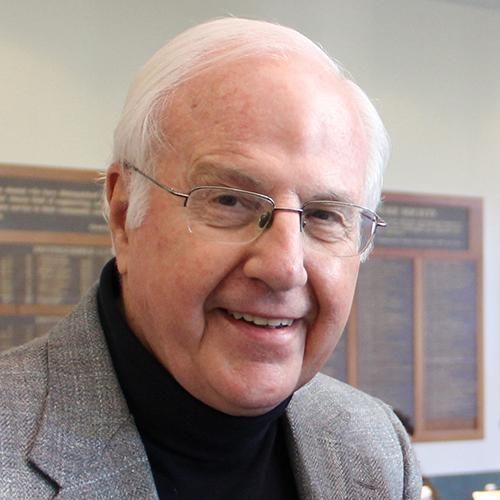
One of the world's leading experts in aeroelasticity, Dr. Dowell has spent his career studying the interaction between aerodynamic forces and structural dynamics, work with applications spanning aircraft wings, helicopters, wind turbines, and spacecraft. He walks through his path into engineering, how the field has evolved, and how advances in computation have transformed the way engineers design safer, more efficient flight vehicles.

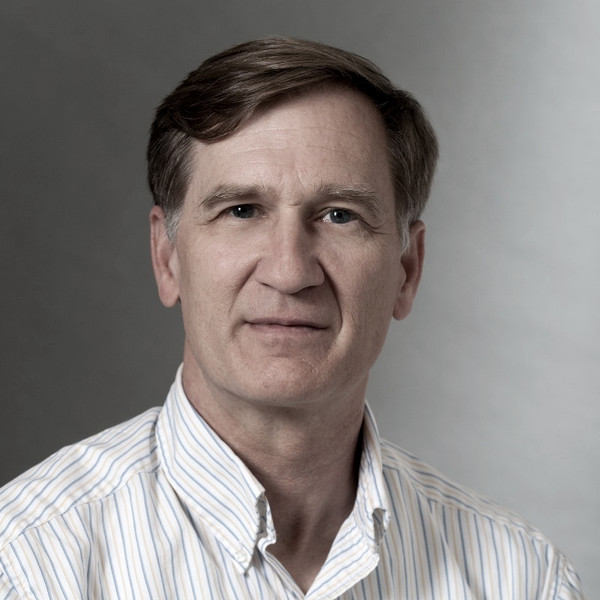
Barnhart has spent his career rethinking how we build things in space. As founder of Arkisys and director of USC's Space Engineering Research Center, he works on on-orbit assembly and modular spacecraft architecture, pushing toward a future where infrastructure in low Earth orbit is constructed piece by piece rather than launched whole.
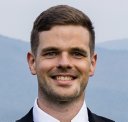
From ion thrusters small enough to sit on a coin to megawatt-class plasma engines for deep space, Dr. MacArthur walks through the full spectrum of electric propulsion and what each world looks like from the inside.

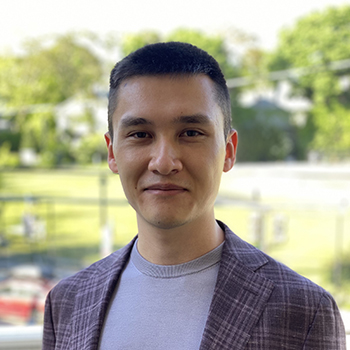
Dr. Jia-Richards is building spacecraft that adapt in real time, merging propulsion physics with machine learning to create autonomous systems that recover from hardware failures mid-mission.

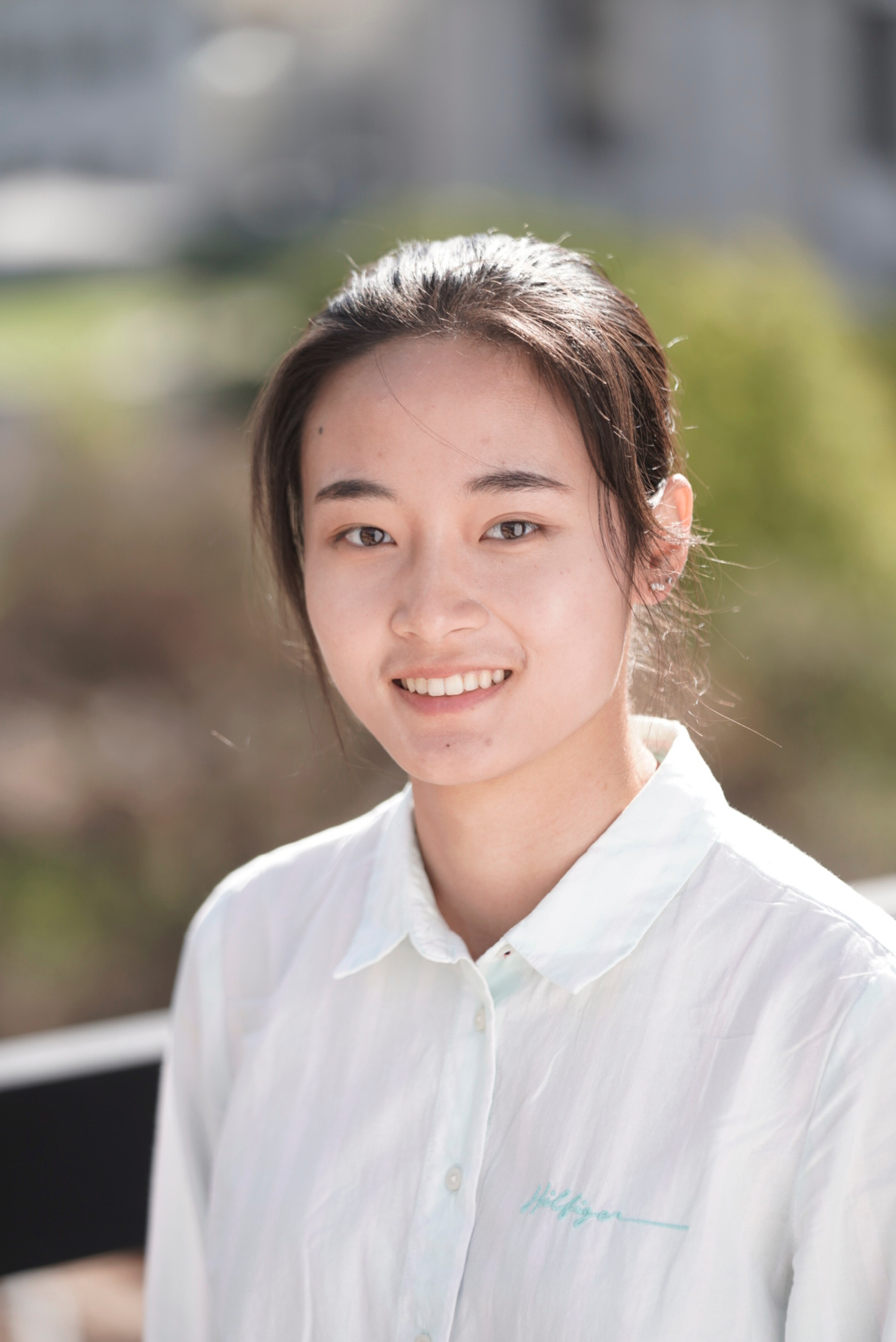
Teaya Yang's drones don't need GPS. Her research focuses on autonomous navigation and multi-robot coordination through shared sensing, building systems capable of operating in environments humans cannot access.

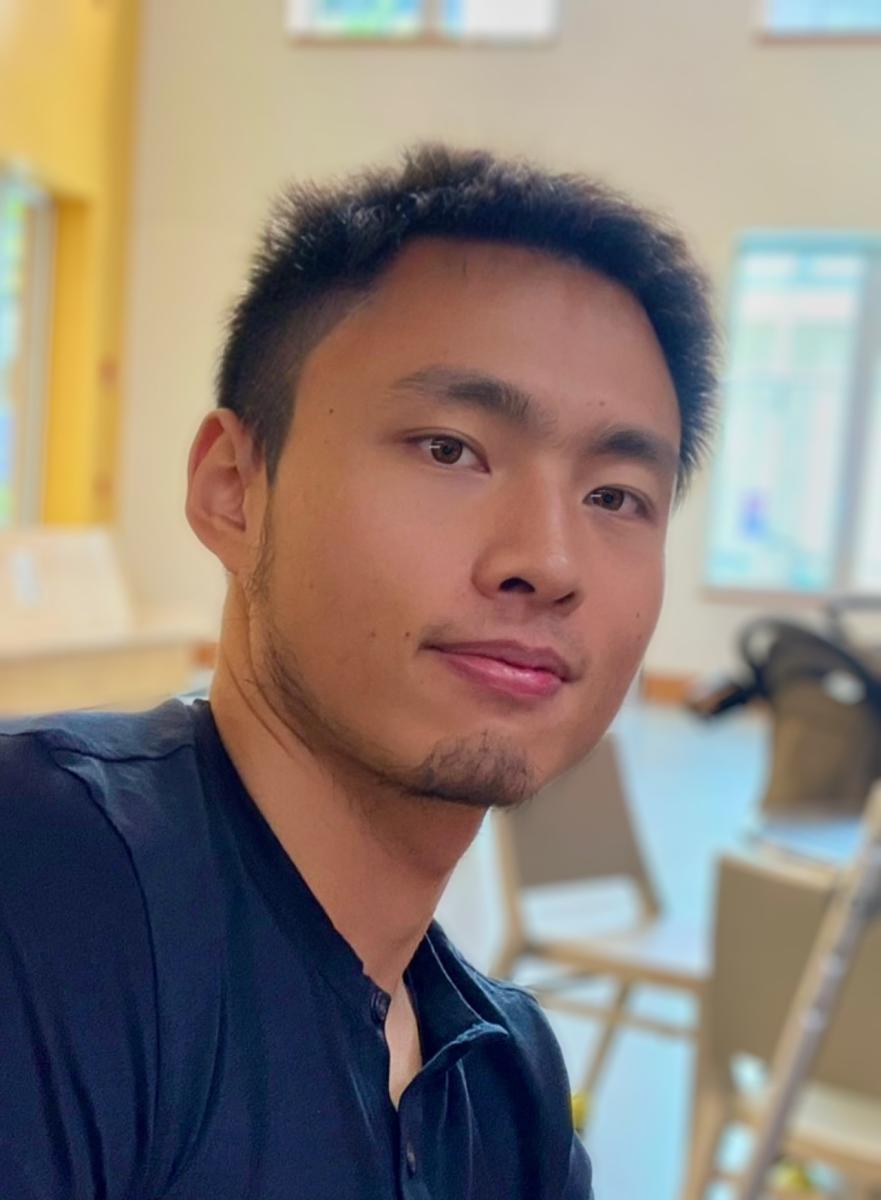
Dr. Deng's lab builds structures that behave intelligently with no electronics at all; encoding decision-making directly into geometry and redefining how engineers design adaptive aerospace structures.
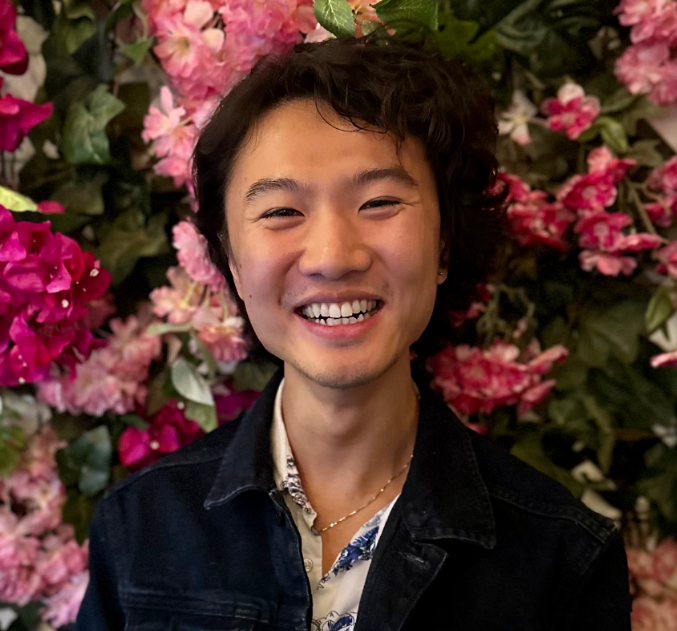
Air traffic is one of the most complex engineered systems on Earth. Dr. Li uses data-driven modeling to make it safer and more resilient; this means rethinking a network already moving 50,000 flights a day.

Dr. Hubbard was NASA's first Mars Program Director, the person handed the job of rebuilding the entire Mars program after two consecutive mission failures. Pathfinder, Astrobiology, and what leadership at that scale actually looks like.
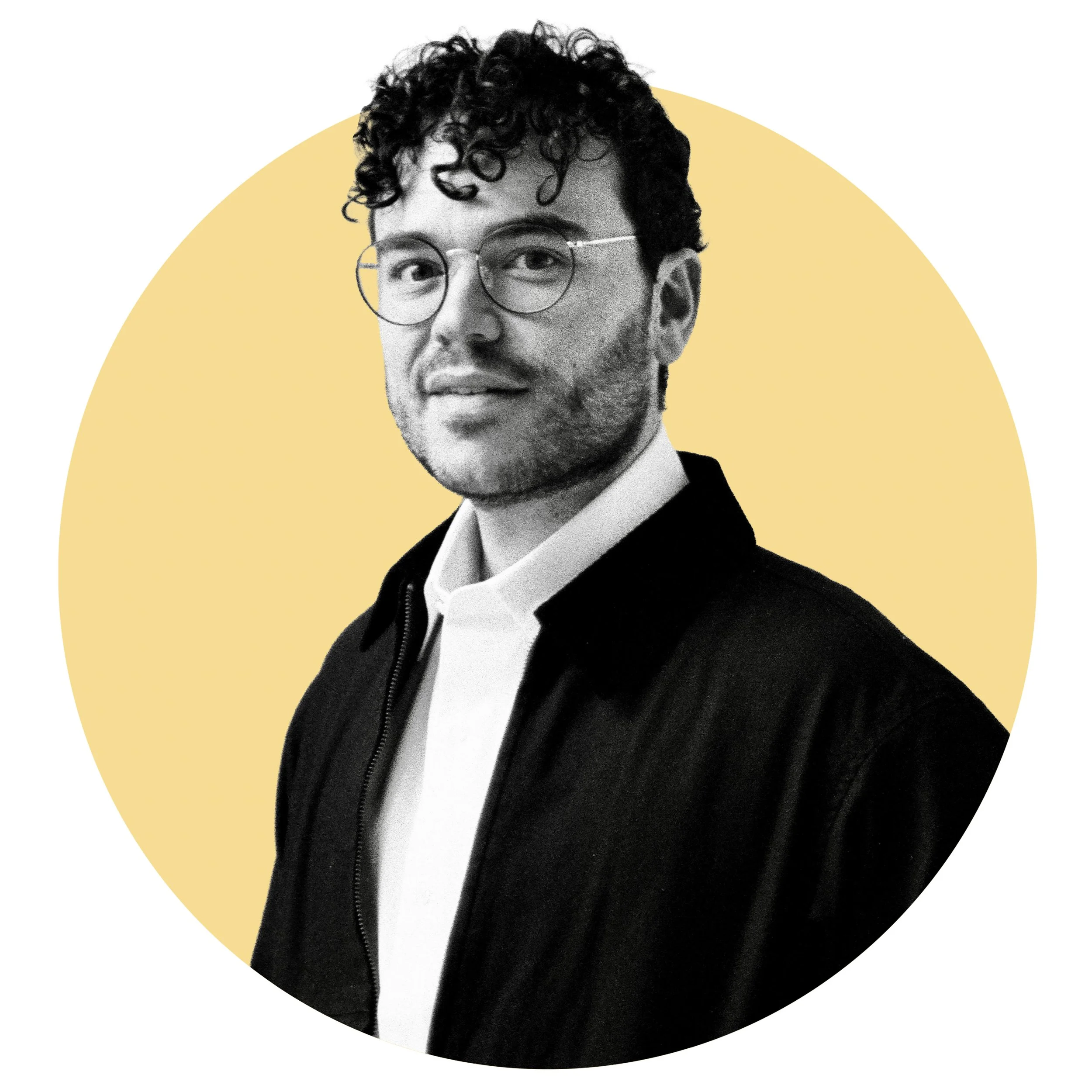
Dr. Roberts uses observational astronomy and computational astrodynamics to study how space actors engage with governance: orbital congestion, the rules of the road in space, and what happens when no country is in charge.
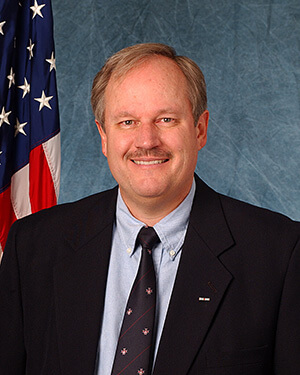
One of the world's leading experts in computational fluid dynamics, Dr. Cummings has collaborated with NATO and spent decades studying airflow around high-speed vehicles. His path from Hughes Aircraft to the Academy.
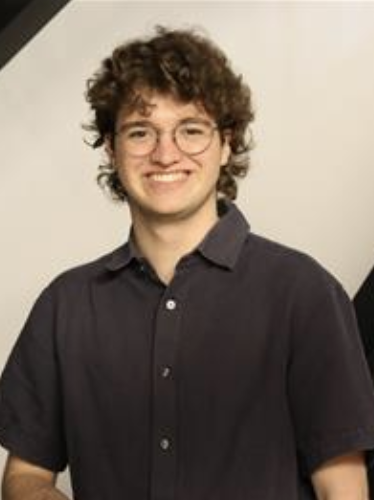
A candid conversation with someone a few steps ahead. Marty walks through what graduate-level aerospace research actually involves day to day: choosing a lab, balancing coursework and research, and where a master's degree takes you.
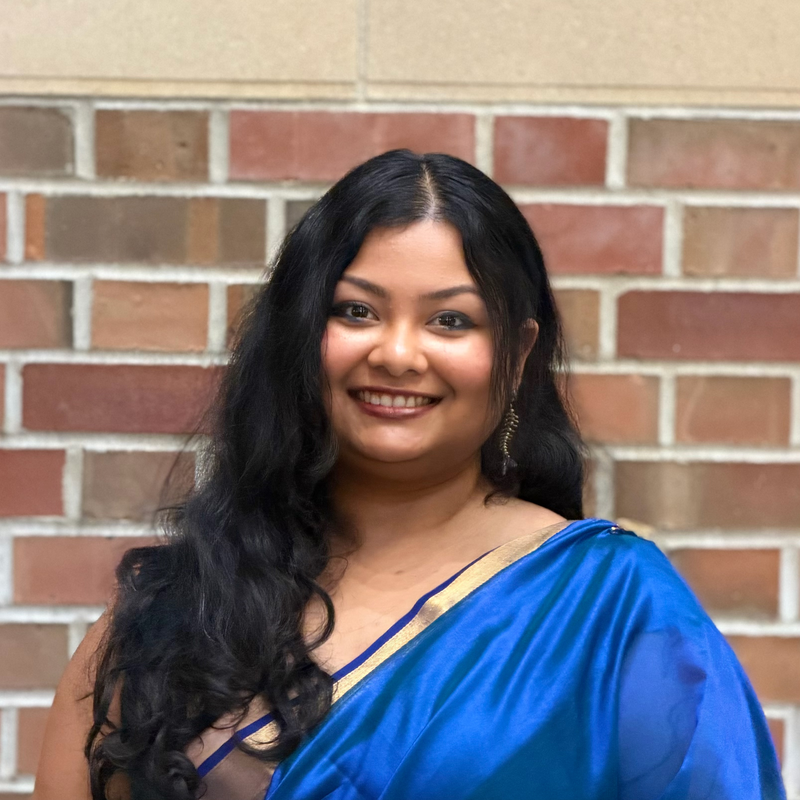
The episode that started it all. Sneha walks through the reality of PhD life in aerospace: finding a research focus, what surprised her most about grad school, and why she chose to dedicate years to a single hard problem.